The Myth of Energy-Saving Tint: What Doesn’t Work for Cowichan Homes in 2026
Homeowners in Langford and the Cowichan Valley are increasingly seeking energy-efficient solutions to enhance comfort and reduce utility bills. One popular option is window tinting, often marketed as a means to improve energy efficiency. However, it’s crucial to understand that not all window tints deliver the promised benefits. This article delves into the limitations of certain window tints and provides guidance on making informed choices for your home.
Understanding Window Tinting and Energy Efficiency
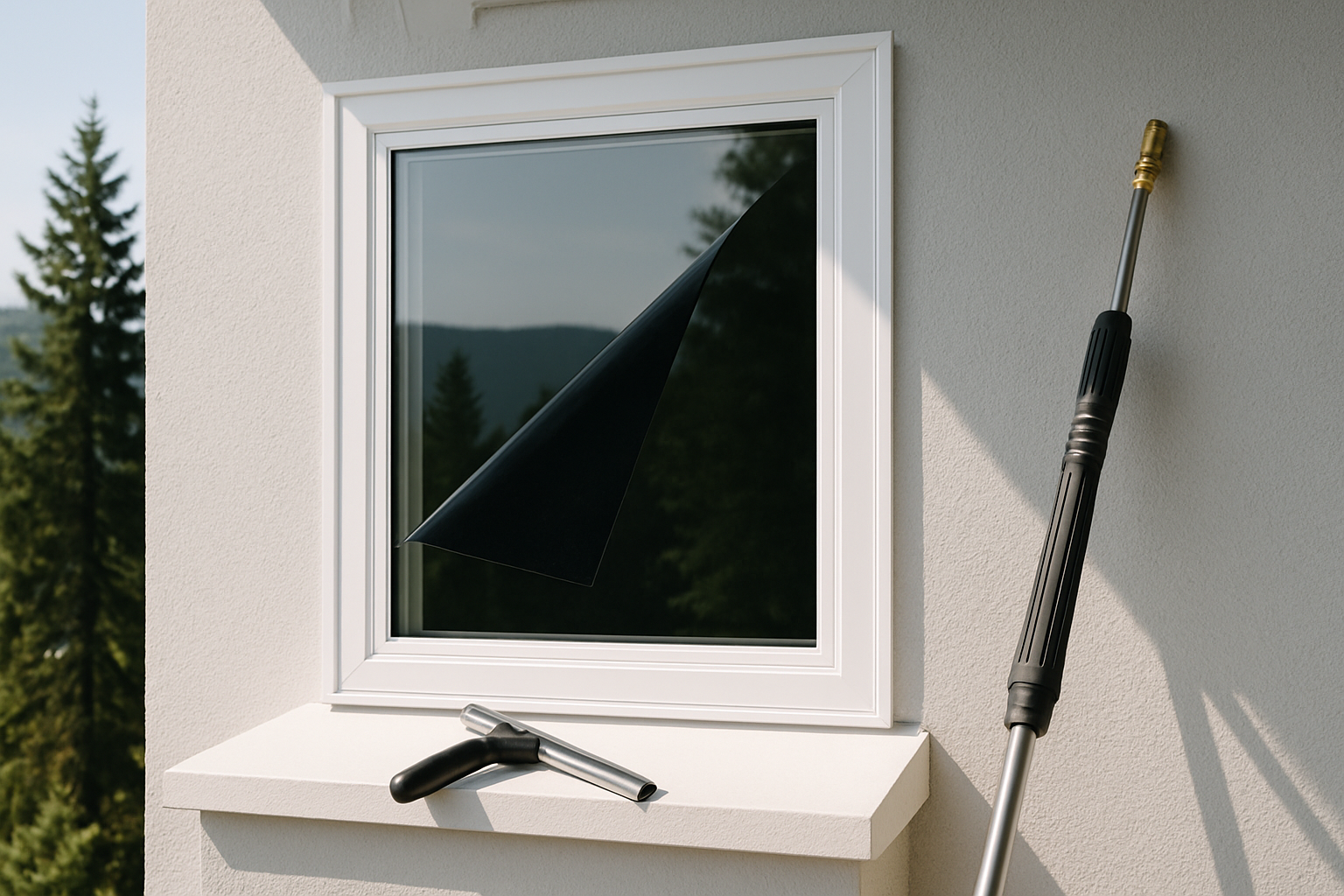
Window tinting involves applying a thin film to glass surfaces to reduce glare, block harmful UV rays, and, purportedly, improve energy efficiency by minimizing heat transfer. While some high-quality tints can achieve these goals, others fall short, leading to misconceptions about their effectiveness.
Common Misconceptions About Energy-Saving Tints
1. All Tints Provide Significant Heat Reduction
Not all window tints are created equal. The effectiveness of a tint in reducing heat depends on its material and technology. For instance, dyed films primarily absorb sunlight, which can still result in heat entering the home. In contrast, ceramic films are designed to reflect infrared radiation, offering superior heat rejection. According to industry data, ceramic window tints can block up to 60–95% of infrared radiation, significantly reducing indoor temperatures. (Source: [1])
2. Darker Tints Equate to Better Energy Efficiency
It’s a common belief that darker tints provide better heat reduction. However, the darkness of a tint (measured by Visible Light Transmission or VLT) doesn’t necessarily correlate with its energy-saving capabilities. High-quality, lighter tints can offer substantial heat rejection without significantly darkening the room. This is particularly important in regions like Cowichan, where natural light is valued.
3. Window Tints Are a One-Size-Fits-All Solution
Different homes have varying needs based on their orientation, window size, and local climate. A tint that works well in one setting may not be suitable for another. Customizing the tinting solution to your home’s specific requirements is essential for optimal energy efficiency.
Regulatory Considerations in British Columbia
In British Columbia, regulations primarily focus on vehicle window tinting. For instance, the Motor Vehicle Act Regulations specify that no material reducing light transmission is permitted on the front side windows of vehicles. (Source: [2]) While these regulations don’t directly apply to residential properties, it’s advisable to consult local bylaws or homeowners’ associations to ensure compliance with any applicable rules.
Evaluating the Effectiveness of Window Tints
When considering window tints for energy efficiency, it’s important to assess their performance based on specific metrics:
- Solar Heat Gain Coefficient (SHGC): Measures how much solar radiation passes through the window. Lower SHGC values indicate better heat-blocking capabilities.
- Visible Light Transmission (VLT): Indicates the amount of visible light that passes through the window. Balancing VLT with SHGC is crucial to maintain natural lighting while reducing heat.
- Ultraviolet (UV) Rejection: High UV rejection rates protect interiors from fading and reduce health risks associated with UV exposure.
Alternative Solutions for Energy Efficiency
Beyond window tinting, homeowners can explore other methods to enhance energy efficiency:
- Low-E Glass Windows: These windows have a special coating that reflects infrared light, keeping heat inside during winter and outside during summer.
- Window Treatments: Utilizing blinds, shades, or curtains can provide additional insulation and control over light and heat entry.
- Proper Insulation: Ensuring that walls, roofs, and floors are well-insulated can significantly reduce energy loss.
Local Expert FAQ
Q: Are there specific window tints recommended for homes in the Cowichan Valley?
A: Industry professionals recommend ceramic-based window tints for their superior heat rejection and durability. These tints effectively block infrared radiation without significantly reducing natural light, making them suitable for the Cowichan climate.
Q: How can I verify the effectiveness of a window tint before installation?
A: Experts suggest reviewing the product’s specifications, focusing on SHGC, VLT, and UV rejection rates. Additionally, consulting with local professionals who have experience with the specific climate conditions in Langford and Cowichan can provide valuable insights.
Q: Are there any local incentives for installing energy-efficient window solutions?
A: As of August 2026, there are no specific incentives in Langford or the Cowichan Valley for window tinting. However, it’s advisable to check with local government offices or energy providers for any updates on rebates or programs promoting energy efficiency.
Key Takeaways
- Not all window tints offer significant energy-saving benefits; the material and technology used are critical factors.
- Darker tints do not necessarily equate to better heat reduction; high-quality lighter tints can be equally effective.
- Understanding and complying with local regulations ensures that your window tinting choices are both effective and lawful.
- Exploring alternative solutions, such as Low-E glass and proper insulation, can further enhance your home’s energy efficiency.
While we aim for accuracy, please verify details for your specific situation. For personalized advice and to discuss how these insights apply to your specific needs, we’d love to chat with you directly.
For expert guidance tailored to your home in Langford or the Cowichan Valley, consider reaching out to R&R Cleaning & Home Maintenance. Our team is equipped to provide solutions that align with your energy efficiency goals and local regulations.